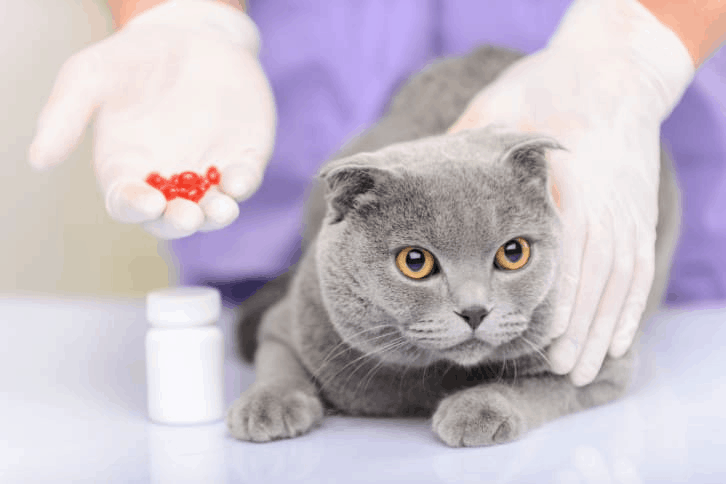
Ibuprofen Toxicity in Dogs and Cats
Do not give ibuprofen to a dog without specific dosing instructions from your veterinarian. Do not give ibuprofen to a cat under any circumstances! Ibuprofen has been available as a…
Do not give ibuprofen to a dog without specific dosing instructions from your veterinarian. Do not give ibuprofen to a cat under any circumstances! Ibuprofen has been available as a…
The VIN Dermatology Consultants Date Published: 03/04/2008 Date Reviewed/Revised: 04/26/2018 CATS Abyssinian Psychogenic alopecia and dermatitis Follicular dysplasia (hair shaft disorder of Abyssinians) Devon Rex Familial hypotrichosis Himalayan Dermatophytosis Granulomatous…

What is Diabetes Mellitus? In order to understand the problems involved in diabetes mellitus, it is necessary to understand something of the normal body's metabolism. The cells of the body…
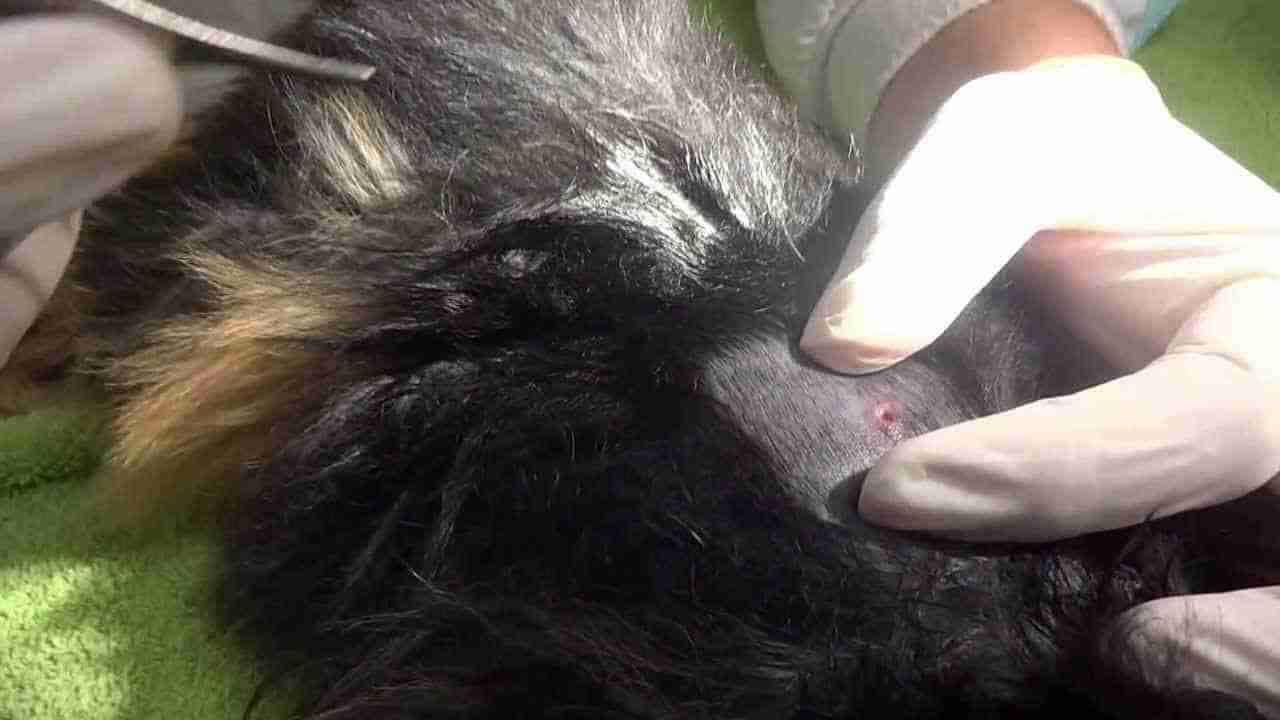
Cuterebriasis is caused by a fly called Cuterebra. The parasite infests small mammals that spend time outdoors, such as dogs, cats, rabbits, ferrets, squirrels, and rodents. Cuterebra are large non-feeding flies that…

Demodectic mites are normal skin residents in the hair follicles of all species. They live in balance with their host’s immune system, but if something shifts the balance and mites…
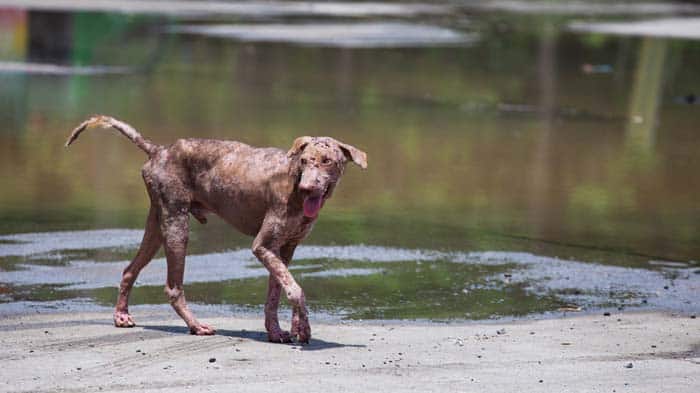
The Cause is the mite - Demodex Canis Demodectic mange, also called demodicosis, is caused by one of the microscopic mites of the Demodex genus. Three species of Demodex mites have been identified in dogs: Demodex canis, Demodex…
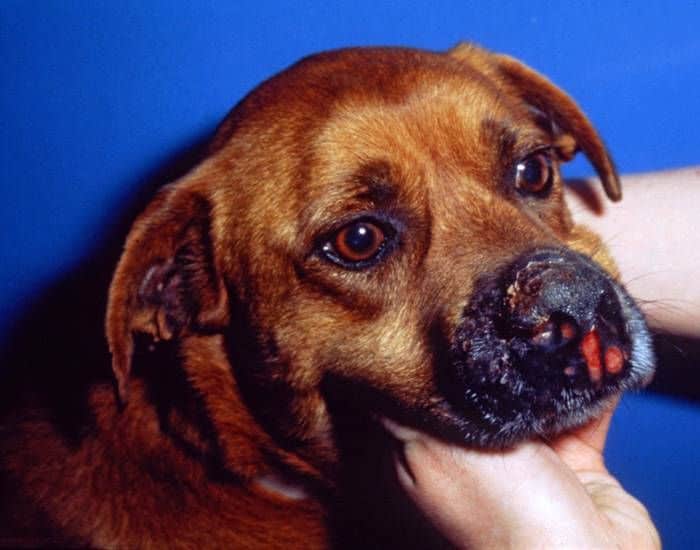
Becky Lundgren, DVM Date Published: 03/15/2006 Date Reviewed/Revised: 10/15/2014 Blastomycosis, caused by Blastomyces dermatitidis, is a systemic fungal infection that affects dogs and cats. Blastomycosis appears in only certain geographic areas…

The feline diabetes situation is different from the canine one. In dogs, the pancreas has been irreversibly damaged and insulin secretion is nonexistent The dog must have insulin injections if…
![Read more about the article Cherry Eye in Dogs and Cats [that red lump in the eye]](https://urbananimalveterinary.com/wp-content/uploads/2018/08/Cherry-eye-dogs.jpg)
Prolapse of the Tear Gland of the Third Eyelid Unlike humans (who only have two eyelids), dogs and cats have three. The third eyelid, technically called the nictitans or nictating…
The easiest way to understand Cryptosporidium species and how they cause disease is to think of them as another kind of gastrointestinal parasite. Cryptosporidium have some uniquely unpleasant features Cryptosporidium oocysts (the eggs that can…